
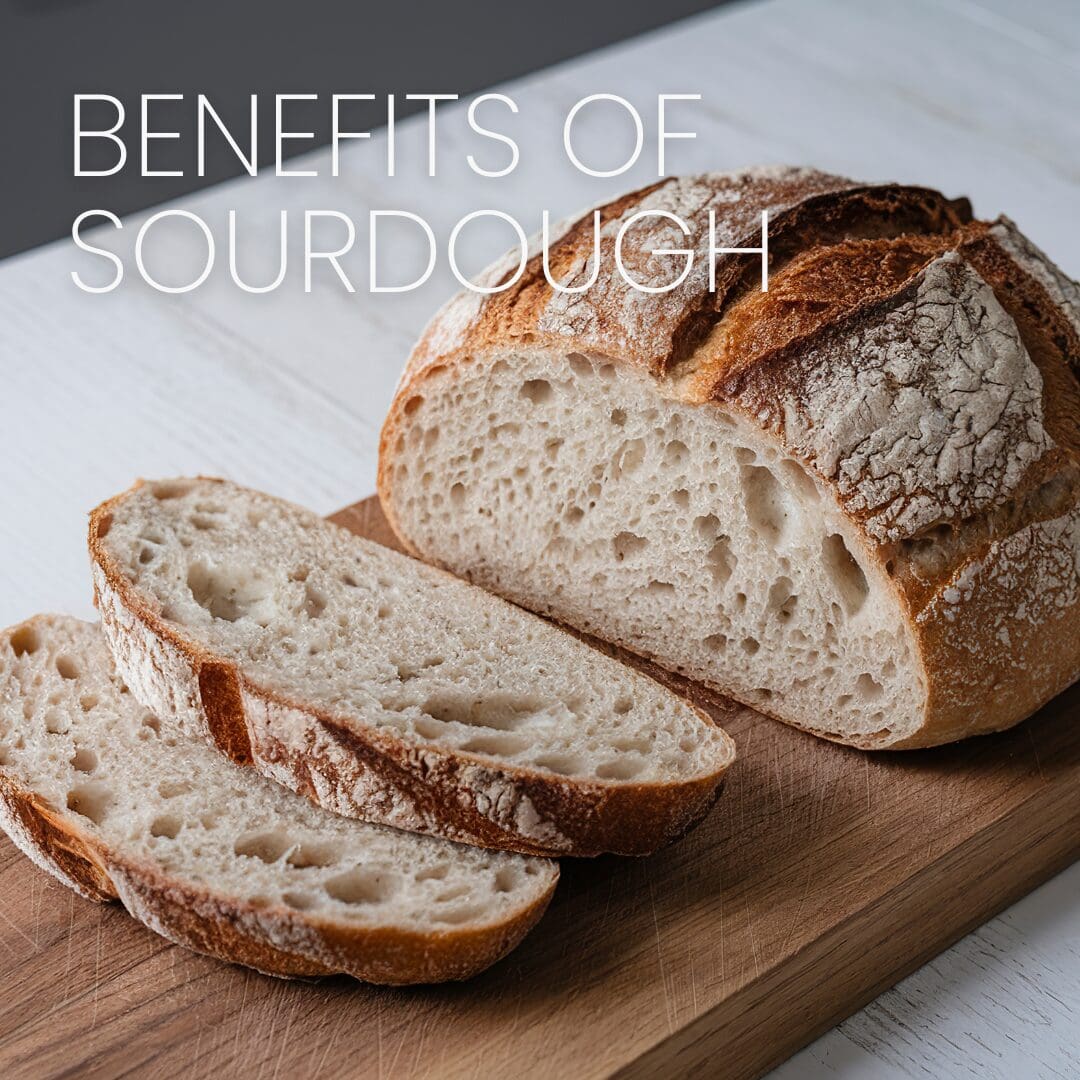
Rise Above Store-Bought Bread
Bread has been a staple food for centuries, yet not all bread is created equal. In recent years, sourdough bread has made a major comeback, and for good reason. Compared to the typical loaves found on grocery store shelves, traditional sourdough offers several nutritional and digestive advantages that support overall wellness.
Natural Fermentation Makes a Difference
The biggest difference between sourdough bread and conventional bread is how it’s made. Sourdough relies on a natural fermentation process using wild yeast and beneficial bacteria from a sourdough starter. This fermentation can take many hours, sometimes even a full day.
Most commercial breads, on the other hand, are made with fast-acting baker’s yeast and additives that allow bread to rise quickly. While this speeds up production, it doesn’t allow time for the same beneficial processes to occur.
During sourdough fermentation, natural bacteria break down some of the carbohydrates and gluten found in flour. This process not only develops flavor, it also makes the bread easier for many people to digest.
Better for Blood Sugar Balance
One of the lesser known benefits of sourdough bread is its impact on blood sugar. The fermentation process lowers the bread’s glycemic index compared to many traditional white breads.
A lower glycemic index means sourdough causes a slower, more gradual rise in blood sugar rather than a rapid spike. For individuals focused on metabolic health, weight management, or hormone balance, this steadier response can be beneficial.
Improved Nutrient Availability
Grains naturally contain compounds called phytates that can bind to minerals such as iron, magnesium, and zinc, making them harder for the body to absorb.
The fermentation process in sourdough helps break down these phytates, allowing the body to better access the nutrients present in the grain. In simple terms, sourdough may help your body use the nutrients in bread more effectively.
Fewer Additives and Preservatives
Another benefit of homemade or traditional sourdough is simplicity. Many sourdough loaves contain just a few ingredients: flour, water, salt, and a starter.
Compare that with many store-bought breads that often include preservatives, dough conditioners, added sugars, and oils designed to extend shelf life or improve texture.
A Simple Way to Support Wellness
Making sourdough at home has become a popular way to reconnect with food and slow down the pace of modern eating. The process encourages simple ingredients, patience, and mindful preparation.
While bread can certainly be part of a balanced diet, choosing fermented options like sourdough may offer advantages for digestion, blood sugar stability, and nutrient absorption.
For individuals focused on wellness, small choices add up. Something as simple as the type of bread on your plate can support better health over time.


Hey! We're so happy you found our blog. We hope you learn a lot from our articles about living your healthiest life.
Speaking of healthy lives, did you know we offer our area's most robust peptide program, custom medical weight loss, and in-depth hormone health program?
We started Results Norfolk in 2024 to HELP our community. Nothing we do around here is cookie-cutter, everything is based on YOUR goals, YOUR journey, and YOUR results!

402-644-1878
Shop Hugh & Grace
Schedule Appointment
Download our App